Cut for a Reason? Why Fans Are Ditching Theatrical Releases and Declaring Director's Cuts the Only Version That Counts
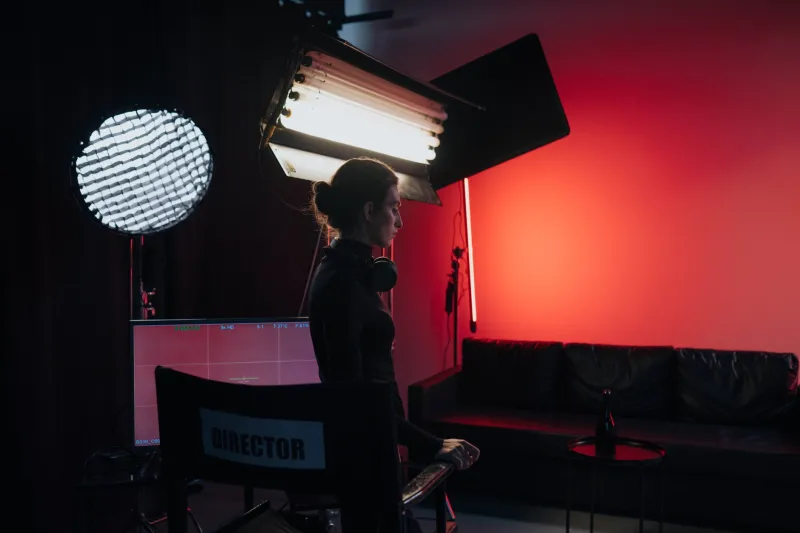
There's a version of the movie you saw in theaters. And then there's the version the director actually wanted you to see. For a long time, those two things existed in completely separate conversations — one on the big screen, one buried in a Blu-ray bonus menu that most people never touched. But somewhere along the way, that dynamic flipped entirely. Now fans aren't just hunting down extended cuts and deleted scenes — they're arguing, loudly and publicly, that those versions are the real ones. The theatrical cut? Just a studio compromise.
And honestly? They might have a point.
The Snyder Effect Changed Everything
If you want to trace the moment director's cuts went from niche obsession to full-blown cultural movement, you don't have to look further than what happened with Zack Snyder's Justice League in 2021. After years of fan petitions, hashtag campaigns, and what can only be described as an internet pressure campaign of historic proportions, HBO Max released a four-hour, black-and-white-optioned version of a film that had previously flopped in a very different theatrical form. The response was enormous. Critics who had dismissed the original found themselves reassessing. Fans who had felt cheated suddenly felt vindicated.
More importantly, it proved something the studios couldn't ignore: there is a real, passionate, paying audience for the longer, messier, more ambitious version of a story. The #ReleaseTheSnyderCut movement didn't just get a movie made — it rewrote the rules for how fans engage with the concept of a "finished" film.
Streaming Made the Vault Accessible
Before streaming, getting your hands on an extended cut meant buying a special edition DVD, maybe hunting through a Best Buy bargain bin three years after release. Now, platforms like Max, Peacock, and Amazon Prime can drop a director's cut with almost no friction — no manufacturing costs, no shelf space, just a new tile on the homepage. That accessibility has completely changed how audiences consume and compare versions.
Take Peter Jackson's Lord of the Rings extended editions. Those have existed since the early 2000s, but when they landed on streaming platforms with easy access for a new generation of viewers, they didn't just find an audience — they became the preferred versions for millions of people who had never owned the DVDs. Suddenly, the theatrical cuts felt abbreviated. Incomplete. Like someone handed you a book with chapters torn out.
The same thing is happening with films like Kingdom of Heaven, Batman v Superman, and even older titles like Apocalypse Now Redux. Once fans can watch these versions as easily as they'd start any other movie on a Tuesday night, the theatrical version starts feeling like the rough draft.
Are Studios Playing Games With the Release Strategy?
Here's where things get a little murky — and a little suspicious. There's a growing conversation in fan communities about whether studios are deliberately withholding content at initial release to generate a second wave of engagement later. Think about it from a pure business standpoint: release a film, let it run its cycle, then drop an extended or director's cut six months later to spike subscriptions and reignite social media chatter. Two bites at the same apple.
It's hard to prove intent, but the pattern is hard to ignore. Dune: Part Two had extended footage surface in discussions almost immediately after its theatrical run. Marvel's Disney+ shows have dangled the idea of alternate cuts and deleted scenes in ways that keep fan speculation alive for months. Whether this is a calculated content strategy or just studios finally recognizing the value of their own archives is genuinely unclear — but either way, fans are starting to notice the game being played.
"They know what they're doing," is a phrase you'll see in basically every entertainment subreddit thread about this topic. Whether or not that's true, the perception itself has changed how people watch movies on opening weekend. Some fans now openly say they're waiting for the "full" version rather than the theatrical release, which is a pretty wild shift in audience behavior.
When the Extended Cut Actually Changes the Story
Not every director's cut is just extra scenes tacked onto the end. Sometimes, the additions genuinely reframe the entire narrative — and that's when fan communities go absolutely wild.
The extended cut of Hereditary that circulated in discussions added context to character motivations that completely shifted how people interpreted the ending. The longer version of Once Upon a Time in Hollywood deepened the relationship dynamics in ways that made the finale hit differently. These aren't just bonus scenes — they're story beats that change what the film means.
When that happens, fans don't just prefer the extended version. They reject the theatrical cut as fundamentally incomplete. And in online spaces where pop culture discourse moves fast and hot, that rejection spreads quickly. A single viral thread explaining why the director's cut changes everything can shift the consensus of an entire fandom within a week.
The Fan Petition Pipeline Is Real Now
What the Snyder Cut movement established — and what studios are still grappling with — is that fan petitions and social media campaigns can actually move the needle on these decisions. That's new. For most of film history, the studio's cut was final. What ended up in theaters was the product, full stop.
Now there's a documented pipeline: fans discover deleted scenes through leaks or interviews, they campaign publicly for a full release, and in enough cases that it no longer feels like a fluke, studios respond. The calculus has changed because streaming gives studios a cost-effective way to say yes — and because saying yes generates enormous goodwill and press coverage that a traditional marketing campaign couldn't buy.
The question is where this ends. Do studios start engineering the theatrical cut as a kind of teaser for the "real" version? Do directors gain more leverage in negotiations by knowing fans will back them up? Or does the theatrical experience get devalued to the point where opening weekend stops being the defining cultural moment it's always been?
What This Means for Pop Culture Going Forward
The conversation around director's cuts isn't really about runtime. It's about authorship, authenticity, and who gets to decide what a story actually is. Fans increasingly feel entitled — in the best possible sense — to the full creative vision behind the content they love. And streaming has given them just enough access to know when they're not getting it.
For pop culture communities, this is genuinely exciting territory. Every new release now comes with the implicit question: is this the real version? The debates that follow — on Reddit, on X, in Discord servers, in comment sections everywhere — are some of the most engaged conversations happening in entertainment right now.
And honestly, that's exactly what this moment in pop culture does best. It takes something that used to live in a director's notes and turns it into a community conversation that everyone gets to be part of. The cut you saw in theaters might have been good. But the version the fans demanded? That one's got a story of its own.