Speed Over Story: How Streaming's Relentless Content Race Is Breaking Your Favorite Shows
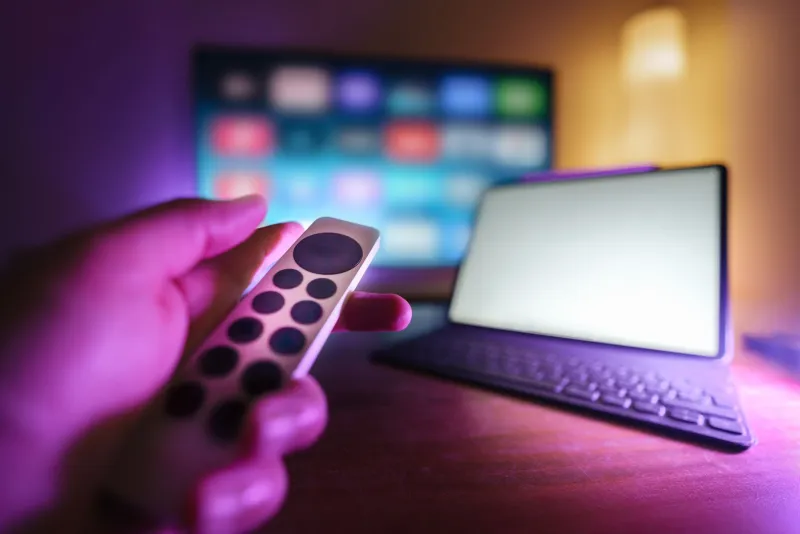
Remember when you could count on your favorite show to actually make sense from one season to the next? Characters had arcs. Plot threads got resolved. Writers had time to, you know, think. These days, though, a lot of fans are logging onto social media mid-episode just to ask each other, "Wait, did I miss something?" Spoiler: you probably didn't. The show just kind of forgot where it was going.
Welcome to the streaming era, where the content never stops — and unfortunately, neither do the creative misfires.
The Treadmill Nobody Can Get Off
Here's the deal: Netflix, Max, Peacock, Disney+, Apple TV+ — they're all in a brutal arms race to keep subscribers from canceling. And the weapon of choice isn't quality. It's volume. The pressure to drop new episodes, new seasons, and new originals on a near-constant basis has fundamentally changed how television gets made behind the scenes.
Industry insiders have been quietly sounding the alarm for years. Writers' rooms that used to have months to break a season are now being handed compressed timelines that would make your head spin. One veteran TV writer, speaking anonymously to a trade publication last year, described the experience as "building the plane while you're already flying it — and also someone keeps moving the runway."
The result? Shows that start strong and then seem to lose the plot entirely. Storylines introduced in episode two that vanish by episode six. Character deaths that feel less like dramatic payoff and more like a scheduling conflict that nobody could work around.
When the Show Bible Goes Out the Window
Every scripted series is supposed to have a show bible — essentially the master document that keeps everyone on the same page about who these characters are, where the story is headed, and what the rules of this fictional world actually are. In the old network TV model, that document was sacred. Writers referenced it constantly. Showrunners guarded it.
In the streaming era? It's starting to feel more like a rough suggestion.
Take a show like Bridgerton — massively popular, wildly entertaining, but fans have spent multiple seasons debating whether certain character decisions actually track with who those people were established to be in earlier episodes. Or look at the discourse around The Witcher after Henry Cavill's sudden departure, which forced the creative team to essentially retcon a major character in real time. The storyline gymnastics required to make that work left a lot of viewers cold.
And those are the successful shows. For every prestige hit, there are a dozen mid-tier streaming originals that got greenlit fast, produced faster, and quietly canceled before the writers even had a chance to land the ending they'd planned.
Fans Are Absolutely Noticing
Here's where it gets really interesting from a pop culture conversation standpoint: audiences are more media-literate than ever. People aren't just watching TV anymore — they're analyzing it, dissecting it on Reddit threads, and building entire fan theories based on what the show probably meant to do before something went sideways in production.
When a beloved character gets killed off abruptly, fans don't just mourn anymore. They investigate. They dig into production news, track down interviews with cast members, and piece together timelines to figure out whether the death was a creative choice or a contractual one. And more often than not lately, the answer points to chaos behind the scenes rather than some master plan.
The Stranger Things fandom spent the better part of Season 4's release window debating whether certain storyline choices reflected the Duffer Brothers' original vision or were shaped by Netflix's insistence on a longer episode count. Even fans who loved the season weren't totally sure they were watching the show the creators actually wanted to make.
Traditional TV Wasn't Perfect Either — But It Had Guardrails
Let's be fair here: network television had its own problems. Filler episodes designed to stretch a 13-episode season into 22. Cliffhangers that existed purely to goose ratings during sweeps week. Stories dragged out for years because a show was too profitable to end. Nobody's out here pretending the old system was some golden age of pure artistic integrity.
But there were guardrails. Network notes, for all their infamy, sometimes caught genuine story problems before they aired. Longer development cycles gave writers room to course-correct. And perhaps most importantly, the traditional TV model allowed shows to breathe — to live in the cultural conversation long enough for creators to actually absorb audience feedback and adjust.
Streaming's binge model collapsed that feedback loop almost entirely. When a whole season drops at once, there's no mid-season check-in, no chance to pivot based on what's landing and what isn't. You're committed to whatever you shot, for better or worse.
Is Anything Actually Getting Better?
There are some signs that the industry is starting to reckon with this. The writers' strike of 2023 put a lot of these tensions front and center, with WGA members specifically calling out the "mini rooms" that streaming platforms had started using to cut costs — smaller writing teams, shorter contracts, less time to actually develop the stories they were being asked to tell.
Some platforms have also quietly started pulling back on the content avalanche. Netflix in particular has faced criticism for canceling shows after one or two seasons before they can find an audience, and there's growing internal conversation about whether the sheer number of originals they produce is actually working against them.
A few showrunners have started pushing back publicly, too. Limited series formats — where the story has a defined beginning, middle, and end before production even starts — have become increasingly popular partly because they offer a way to protect creative vision from the chaos of open-ended renewal pressure.
The Audience Deserves Better Conversations
At the end of the day, this isn't just an industry problem — it's a fan problem. When a show you love starts feeling inconsistent or rushed, it changes how you engage with it. The group chats get quieter. The fan theories get more frustrated than excited. That electric feeling of watching something great gets replaced by a kind of exhausted "well, I've already invested this much time" commitment.
The streaming wars promised us more content than we'd ever dreamed of. And they delivered. But somewhere in the race to win the algorithm, a few of these platforms forgot that what viewers actually want isn't just more — it's something worth talking about the next morning.
And trust us, the chats are very much still happening. They're just a lot more "what even was that ending" than anyone would like.