Loose Lips, Major Drips: The Stars Who Couldn't Keep a Secret and Broke the Internet Instead
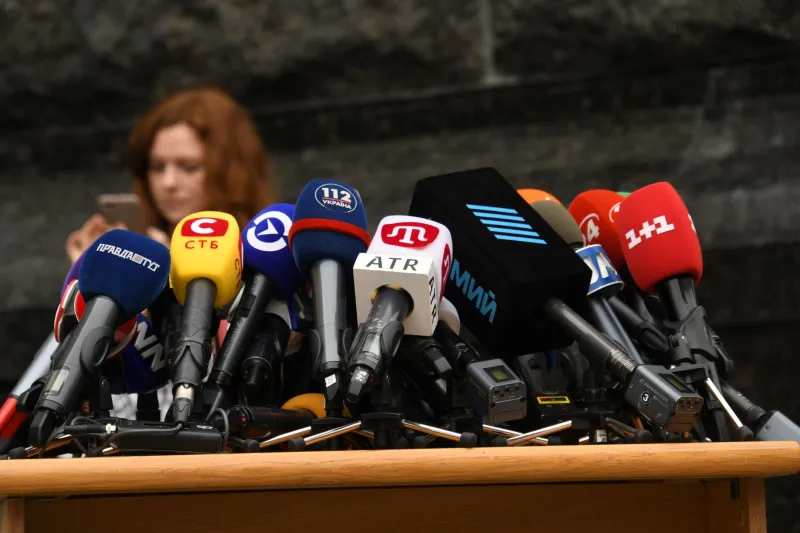
There's a moment in almost every press tour where a publicist somewhere in the back of the room visibly stops breathing. The interviewer leans in, the actor's eyes go slightly glassy, and you can almost see the thought forming in real time: Should I say this? And then — they absolutely say it.
Spoilers have always been a thing. But in the age of social media, 24/7 entertainment coverage, and clips going viral before a star even finishes their sentence, an accidental reveal doesn't just slip through the cracks — it detonates. Studios spend millions crafting the perfect mystery around their biggest releases, only to have their lead actor casually drop the ending during a live Instagram Q&A. It's chaotic. It's kind of hilarious. And honestly? We can't look away.
The Hall of Fame: Most Infamous Slip-Ups
Let's start with the legend himself: Mark Ruffalo. The man is a national treasure and a one-man spoiler machine. Back in 2017, he accidentally livestreamed the first 20 minutes of Thor: Ragnarok on Instagram while trying to figure out how the app worked. His phone sat in his pocket broadcasting audio of the entire scene to thousands of fans who were very much awake and very much paying attention. Marvel's PR team probably aged ten years that night.
But Ruffalo didn't stop there. During press for Avengers: Infinity War, he and co-star Don Cheadle were doing a live interview when Ruffalo casually confirmed that — yes — everyone dies at the end. Don Cheadle's face in that moment became a meme for a reason. It was the physical embodiment of every studio executive's internal screaming.
Then there's Tom Holland, who has essentially become the poster child for celebrity spoiler chaos. The guy has leaked Spider-Man details, Avengers storylines, and film titles so many times that the Russo Brothers reportedly started telling him fake plot points just to see what he'd repeat. At one point, Marvel straight-up stopped giving him the full script. He'd get his scenes only. Like a toddler who can't be trusted with scissors.
And it's not just Marvel. Rebel Wilson once announced her own role in a sequel before the studio had officially confirmed the film existed. Charlie Hunnam casually revealed a major Sons of Anarchy plot point in a magazine interview a full week before the episode aired. Even Maisie Williams slipped up about a Game of Thrones character death on social media, then tried to walk it back — which, honestly, made the whole thing worse.
Why Are Actors So Bad at This?
Here's the thing — it's not really that surprising when you think about it. These people spend months, sometimes years, living inside a story. They know every twist, every death, every emotional gut-punch. And then they're supposed to sit across from an enthusiastic interviewer who's asking exactly the right questions and just... not talk about any of it?
Actors are trained to be emotionally open, expressive, and connected to the material. Compartmentalizing is kind of the opposite of their entire job description. Add in the pressure of a live interview, the natural human desire to be interesting and engaging, and sometimes just plain exhaustion from a two-week press tour — and you've got a recipe for someone accidentally telling a reporter how the finale ends.
Some slips are genuinely accidental. Others are a little more... strategic. A well-timed "I probably shouldn't say this but..." can generate more buzz than a dozen carefully crafted trailers. Whether or not studios want to admit it, a spoiler leak gets people talking — and talking means clicks, which means eyeballs, which means everything in the streaming era.
Studios Fighting Back: The Spoiler Industrial Complex
Hollywood has gotten increasingly serious about spoiler control, and it's honestly kind of wild how elaborate the systems have become. Fake scripts. Partial scripts. Code names for characters. Shooting multiple versions of key scenes. Keeping actors off social media during press tours or assigning handlers to monitor their interviews in real time.
Netflix, Marvel, and major studios now often include NDA clauses that are genuinely intimidating in their specificity. Cast members have talked about getting pulled aside before junkets and given very stern "do not say" lists. Some productions reportedly have a designated person whose entire job is to sit behind the camera during interviews and physically signal the actor if they're heading toward dangerous territory.
And yet. They still slip. Every single time, at least one cast member finds a way.
Does It Actually Hurt? Or Does Chaos Win?
Here's where it gets interesting. The conventional wisdom is that spoilers kill the viewing experience — and for some fans, they genuinely do. There's a real grief that comes with having a shocking death or a major twist revealed before you've had a chance to experience it yourself. Fan communities online take this stuff seriously.
But there's also compelling evidence that spoilers don't actually tank viewership the way studios fear. Research has suggested that knowing a plot point in advance can sometimes make people more likely to engage with a story, not less — because now they're watching for the buildup, the foreshadowing, the emotional beats leading to the moment they already know is coming.
And from a pure buzz perspective? A spoiler going viral is still going viral. When Tom Holland accidentally confirmed something about a Spider-Man film, the clip got millions of views. People who hadn't even been planning to see the movie were suddenly invested. Outrage and excitement are two sides of the same engagement coin, and the internet runs on both.
The Fan Reaction Economy
There's also the community angle — and this is where Pop Chats-style conversations really light up. When a spoiler drops, fan forums, Reddit threads, and social media comment sections explode. People debate whether it was accidental or intentional. They analyze the actor's face. They screencap the moment and break it down frame by frame. A single slip-up can generate weeks of content and conversation.
In a weird way, the actors who can't keep secrets have become characters in their own right. Mark Ruffalo's spoiler reputation is practically a personality trait at this point — fans love him for it. Tom Holland's inability to stay quiet has become part of his charm. It's parasocial entertainment layered on top of actual entertainment, and audiences eat it up.
The Bottom Line
Studios will keep building elaborate spoiler-prevention systems. Actors will keep finding ways around them, whether intentionally or because they're human beings who get excited about their own work. And the internet will keep losing its mind every single time it happens.
Maybe the real plot twist is that the spoiler chaos is the content now. And honestly? We wouldn't have it any other way.