When the Song Outlives the Relationship: How Breakup Anthems Took Over Pop Culture
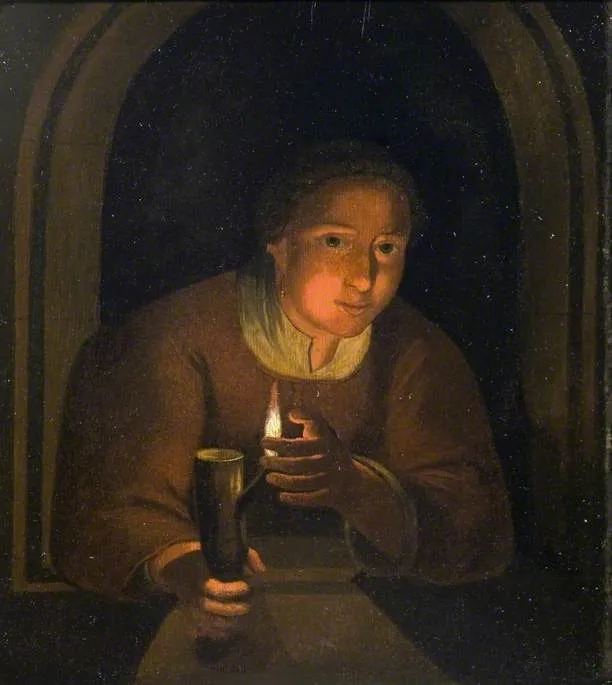
Photo: Godfried Schalcken, Public domain, via Wikimedia Commons
There's a moment you've probably experienced — you're scrolling through your For You Page, a snippet of a familiar song plays, and suddenly the entire internet is in its feelings again. Not because of anything new, but because someone stitched a video of their ex's new girlfriend over Taylor Swift's All Too Well (10 Minute Version) and it now has 4 million views. That's the breakup soundtrack effect in action: the song stops being about the celebrity who wrote it and starts belonging to everyone.
It's one of the wildest phenomena in modern pop culture, and honestly? It's worth talking about.
The Blueprint: When Heartbreak Goes Platinum
Let's be real — celebrity breakups have always been gossip gold. But somewhere in the last decade or so, the music that came out of those splits started doing something different. It stopped being a footnote to the drama and became the main event.
Take All Too Well as the obvious starting point. Taylor Swift and Jake Gyllenhaal dated for a few months back in 2010. By most measures, it was a relatively short Hollywood fling. But when Swift re-released the extended version in 2021, the internet didn't just revisit the song — it put Gyllenhaal on trial. TikTok turned into a courtroom, fans dug up decade-old interviews, and suddenly a brief romance from over ten years ago was trending harder than most current celebrity news. The song didn't just survive the relationship. It buried it.
That's a level of cultural staying power that no tabloid headline could ever achieve.
The Social Media Weapon Nobody Planned For
Here's the thing about the current pop culture landscape: fans have turned breakup songs into something almost tactical. The moment a celebrity split is announced, the playlist-building begins. Someone tweets a lyric. Someone else posts a TikTok lip-syncing the bridge. Before you know it, the song is trending and the alleged wrongdoer in the relationship is getting quote-tweeted into oblivion.
Ariana Grande's thank u, next is a perfect case study. The song casually name-dropped her exes — Big Sean, Ricky Alvarez, Pete Davidson, Mac Miller — and rather than coming across as messy, it flipped the script entirely. Suddenly Grande wasn't the girl who'd been through a lot of heartbreak; she was the unbothered icon who turned her situationships into a bop. Fans didn't weaponize that song against anyone. They used it as a self-empowerment anthem, which honestly tells you everything about how she framed the narrative.
Contrast that with Olivia Rodrigo's drivers license, which dropped in January 2021 and immediately sparked one of the most chaotic fan-driven celebrity gossip spirals in recent memory. The assumed target, Joshua Bassett, released his own music within days. His rumored new girlfriend, Sabrina Carpenter, dropped a song that fans read as a response. It was a full-on pop culture chat thread happening in real time, except the chat thread was three separate Billboard-charting singles.
The Strategy Nobody Wants to Admit Exists
Okay, let's have the honest conversation: some of this isn't accidental.
Celebrities have teams. They have publicists, managers, and label executives who understand that a well-timed emotional single can do more for a career than almost any other move. When a high-profile split happens, the question isn't just "how do we get through this?" — it's "how do we use this?"
Beyoncé's Lemonade is probably the most sophisticated example of this in modern music history. Whether or not you believe every lyric was autobiographical, the album turned speculation about her marriage into one of the most critically acclaimed visual albums ever made. She controlled every single part of the narrative — the imagery, the sequencing, the mystery. By the time the world was done dissecting it, she'd released a masterpiece and her husband had dropped an apology album of his own. Nobody came out of that situation looking bad except the fictional "Becky with the good hair."
More recently, the Shakira and Gerard Piqué split produced BZRP Music Sessions #53, a track so loaded with subliminal jabs that fans spent weeks cataloging every alleged reference. Shakira went from "celebrity going through a divorce" to "global icon having the best revenge era" almost overnight. The song broke streaming records. Her cultural stock skyrocketed. Whatever pain was underneath it, the music turned it into power.
When the Song Becomes Bigger Than the Person
There's a bittersweet side to all of this that doesn't get talked about enough. Some of these songs outlive not just the relationships but the public's interest in the artist themselves. A breakup anthem can become so embedded in the cultural fabric that people forget — or don't care — who originally wrote it.
How many people singing along to Since U Been Gone by Kelly Clarkson know the specific story behind it? Or Go Your Own Way by Fleetwood Mac? At some point, the song stops being about one person's heartbreak and starts being about everyone's. That's actually the highest compliment a piece of music can receive — it transcends the gossip and becomes a genuine emotional touchstone.
And in a weird way, that's the ultimate power move for the artist. Your relationship ends, your ex moves on, and ten years later your song is still playing at every breakup party from coast to coast. The relationship had an expiration date. The music didn't.
The Takeaway for Your Pop Chats Feed
Next time a celebrity split drops and the internet immediately starts cueing up a playlist, pay attention to what's actually happening. Fans aren't just grieving a fictional couple — they're participating in a collective storytelling moment. They're choosing which narrative wins. And the artists who understand that? They don't just survive their breakups. They turn them into careers.
So yeah, maybe the real relationship goals aren't "couple forever." Maybe they're "write a song so good it trends every two years until the end of time." Honestly? Respect.