Apology Tour or PR Stunt? Rating the Most Polarizing Celebrity Comebacks of Recent Years
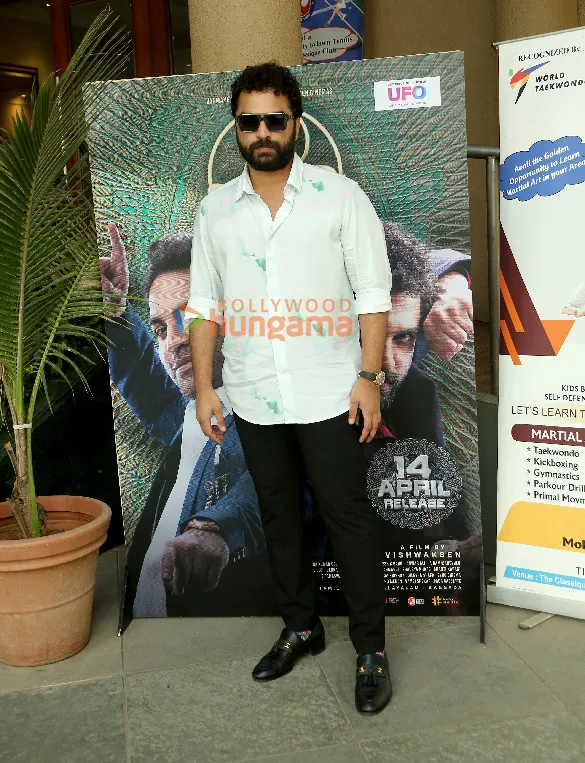
Photo: Bollywood Hungama, CC BY 3.0, via Wikimedia Commons
At some point in the last few years, the celebrity comeback arc became its own genre of entertainment. There's almost a formula now: scandal drops, social media explodes, the celebrity goes quiet for a few months, a carefully worded Instagram statement appears, a sympathetic magazine profile follows, and then — maybe — a new project gets the green light. Rinse and repeat.
But here's the thing audiences have figured out: not all comebacks are created equal. Some feel genuine. Some feel like a crisis management checklist. And increasingly, people can tell the difference. Let's get into it.
The Landscape Has Completely Changed
Five years ago, the traditional celebrity rehab playbook still worked reasonably well. Lay low, do a heartfelt sit-down interview (Oprah was the gold standard, obviously), release something creatively strong, and let time do the rest. That path is basically a minefield now.
Why? Because social media has a memory that never fades and a community of people who are genuinely invested in keeping receipts. Old tweets resurface. Resurfaced interviews get clipped and recontextualized. Victim statements that were once buried in comment sections now go viral. The court of public opinion doesn't just convene once — it reconvenes every six months when the algorithm decides it's time.
This means that celebrities attempting comebacks in the current era are navigating something genuinely different from what their predecessors faced. And the ones who don't understand that tend to crash and burn in spectacular fashion.
The Comeback That Actually Worked (And Why)
Let's talk about Brendan Fraser, because his story is one of the more genuinely moving celebrity narratives of the last several years. Fraser had largely disappeared from Hollywood after speaking out about sexual assault he experienced in the early 2000s — a story that only became widely known after he shared it in a 2018 GQ profile. His career had stalled, and for a long time, it seemed like the industry had simply moved on without him.
Then came The Whale, Darren Aronofsky's 2022 film, and a Best Actor Oscar win that turned into one of the most emotionally charged moments of that entire awards season. Audiences didn't just welcome Fraser back — they celebrated him. The standing ovation at Venice. The tears at the Oscar podium. It felt real because it was real. There was no manufactured apology tour, no strategic rollout. There was just a talented person who'd been through something genuinely painful, getting a moment that felt deserved.
The lesson there? Authenticity is still the most powerful PR tool in existence. You can't fake that kind of emotional resonance, and audiences know when you're trying.
The Comeback That Got Complicated Fast
Not every redemption arc lands so cleanly. Armie Hammer's attempted return to public life has been one of the most scrutinized — and most divisive — in recent memory. Following deeply disturbing allegations that emerged in 2021, Hammer largely disappeared from the public eye. A docuseries aired. A podcast covered the story extensively. And then, in 2024, news broke that he was reportedly returning to acting.
The response was... not warm. Critics and advocates pushed back hard, questioning whether the entertainment industry was once again prioritizing a famous name over the concerns of the people involved. Supporters argued in favor of rehabilitation and second chances. The debate played out loudly across social media, with no clear consensus emerging — which is itself kind of the point. Some situations are too complicated for a clean comeback narrative, and the public's refusal to simply accept the return of a controversial figure represents a real shift in how celebrity culture operates.
The Apology That Felt Like a Checklist
One of the most common mistakes celebrities make when attempting a comeback is confusing performing accountability with demonstrating it. A carefully worded statement that hits all the right buzzwords — "I've done the work," "I've listened and learned," "I take full responsibility" — can feel hollow when it's not backed up by any visible evidence of change.
Fans are particularly sharp at identifying when an apology is written by a PR team versus when it reflects genuine reflection. The tone is different. The specificity is different. An apology that actually names the harm done and articulates why it was wrong lands differently than one that gestures vaguely at "mistakes" without ever getting specific.
Several high-profile figures over the last five years have released statements that the internet immediately dissected and found wanting. The comments sections filled with people pointing out what wasn't said. Threads emerged cataloging the gap between the apology and the actual record. In those cases, the attempt at a comeback often made things worse — drawing renewed attention to the original scandal without providing any meaningful resolution.
What Social Media Has Changed About All of This
Traditional media used to be the gatekeeper of the celebrity rehab narrative. If you got the right magazine cover, the right interview slot, the right talk show appearance, you could largely control how your comeback was framed. That's still a factor, but it's no longer the factor.
Now, a celebrity can do everything right by the old playbook and still find the narrative completely overtaken by a single viral thread. Conversely, someone who bypasses traditional media entirely and speaks directly to their audience through social platforms can sometimes generate a groundswell of support that no magazine profile could manufacture.
The celebrities who've navigated comebacks most successfully in recent years tend to be the ones who understand this duality — who engage authentically with their communities online while also working the traditional media circuit strategically. It's a tightrope, and there's very little margin for error.
So What Does It Actually Take?
Honestly? There's no universal formula, which is part of what makes this so fascinating to watch play out in real time. Some comebacks succeed because the public genuinely wants to root for someone. Some fail because the original offense was too serious for any amount of rebranding to overcome. Some land in a permanent gray zone where half the audience has moved on and half never will.
What seems clear is that audiences in 2024 and beyond are asking harder questions than they used to. Is this person actually different, or are they just better at managing their image? Has anything materially changed, or is this just a waiting period before the next incident? Is the industry holding this person accountable, or is it just business as usual with better optics?
Those are the right questions to be asking. And the fact that so many people are asking them? That might actually be the most meaningful development in celebrity culture in years.